


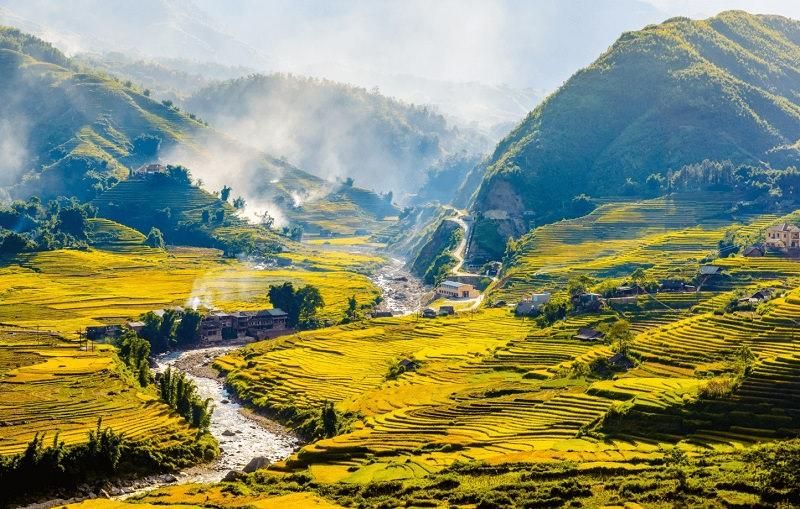
Sapa, nestled in the misty mountains of northern Vietnam, is a trekker’s paradise where lush valleys, terraced rice fields, and vibrant ethnic villages await. For beginners, Sapa offers an ideal blend of accessible trails, breathtaking scenery, and rich cultural encounters, making it a must-visit for anyone craving adventure without overwhelming challenges. This Sapa trekking guide is crafted with an adventurous yet supportive tone, perfect for first-time hikers eager to explore the heart of Vietnam’s highlands. From gentle paths through emerald landscapes to warm homestays with local families, Sapa invites you to step into a world of natural beauty and cultural discovery. Whether you’re drawn to the rugged peaks of the Hoang Lien Son range or the colorful traditions of the H’mong and Dao communities, this Vietnam hiking journey promises memories that will last a lifetime. Let’s dive into why Sapa is perfect for beginners and how to make the most of your trekking adventure!
Why Sapa is Perfect for Beginners
Sapa’s appeal lies in its accessibility and diversity, making it an ideal destination for novice trekkers. Located in Lao Cai Province, just a few hours from Hanoi by train or bus, Sapa offers trails that range from easy strolls to moderate hikes, catering to all fitness levels. The town’s cool climate, with temperatures often between 15-20°C, provides a refreshing escape from Vietnam’s tropical heat, ensuring comfortable hiking conditions year-round. The surrounding landscapes—rolling hills, cascading rice terraces, and misty peaks—are breathtaking yet approachable, with well-trodden paths guided by local experts who know every twist and turn.
What sets Sapa apart is its cultural richness. The region is home to ethnic minority groups like the H’mong, Dao, and Tay, whose vibrant traditions and warm hospitality add depth to every trek. Beginners can combine light physical activity with immersive experiences, such as visiting local markets or sharing meals in homestays. For a broader look at the region, check out our Northern Vietnam Guide. Sapa’s blend of natural beauty, gentle trails, and cultural encounters makes it a welcoming gateway to Vietnam hiking for adventurers of all levels.
Recommended Trails and Homestays
Sapa’s trails are perfect for beginners, offering stunning views without requiring advanced skills. Here are three beginner-friendly routes and homestay recommendations to enhance your experience:
1. Cat Cat Village Trail
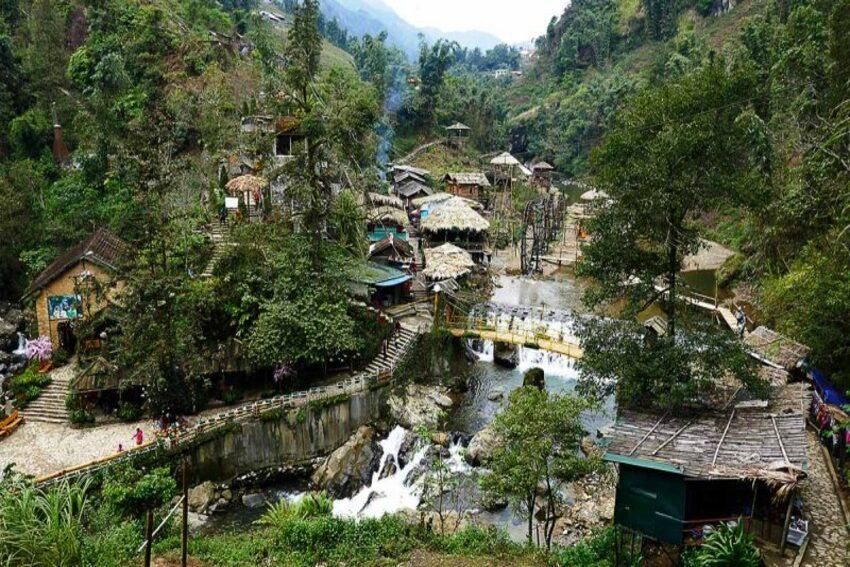
This 3-4 km round-trip trek from Sapa town to Cat Cat Village is ideal for beginners. The paved path winds through rice paddies and bamboo groves, leading to a picturesque H’mong village with a stunning waterfall. The trail takes about 2-3 hours and offers plenty of photo stops. Homestay Tip: Stay at Cat Cat Homestay for cozy rooms and authentic H’mong meals like smoked buffalo and corn wine.
2. Y Linh Ho to Lao Chai Trail

This 6-8 km trail is a gentle trek through terraced fields and the Muong Hoa Valley. You’ll pass H’mong villages and cross bamboo bridges, with panoramic views of rice terraces. It’s a half-day trek with minimal elevation gain, perfect for beginners. Homestay Tip: Book a night at Lao Chai Eco Homestay, where you can enjoy home-cooked meals and learn about H’mong textile traditions.
3. Ta Van Village Trail

A 10 km round-trip trek to Ta Van Village offers a slightly longer but still beginner-friendly route. The trail follows a scenic valley with views of Fansipan, Vietnam’s highest peak. You’ll meet Giay and H’mong locals and explore their daily lives. Homestay Tip: Ta Van Homestay provides a warm, family-run experience with hearty meals and cultural storytelling.
For more homestay options, explore our guide to Vietnam Homestays. These trails are led by local guides who share insights into Sapa’s culture and ensure safety, making them perfect for first-time trekkers. Always book through reputable operators like those listed on the Sapa Tourism Board.
Cultural Etiquette for Visitors
Sapa’s ethnic communities are warm and welcoming, but respecting their customs ensures meaningful interactions. Here are key etiquette tips for your trek:
-
Dress Respectfully: Wear modest clothing, covering shoulders and knees, especially when visiting villages or homestays. Comfortable, weather-appropriate gear like breathable shirts and sturdy shoes is ideal for trekking.
-
Ask Permission: Always ask before taking photos of locals, particularly in villages. Some may decline or request a small fee, which is a common practice.
-
Support Local Economies: Buy handicrafts like embroidered bags or silver jewelry directly from artisans in villages or markets like Sapa Market. Avoid bargaining too aggressively, as prices are often fair.
-
Respect Homes: When staying in homestays, follow house rules, such as removing shoes before entering. Engage with hosts politely and show interest in their stories or traditions.
-
Environmental Care: Stick to marked trails to avoid damaging rice fields or crops. Carry a reusable water bottle and dispose of waste properly to preserve Sapa’s pristine environment.
Activities to Enhance Your Trek
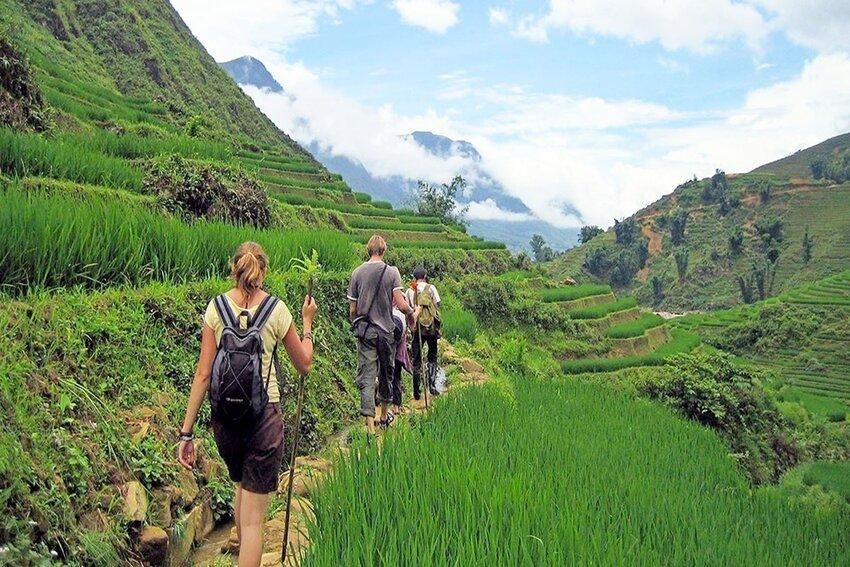
Beyond hiking, Sapa offers immersive experiences to enrich your adventure:
-
Cultural Encounters: Join a village tour to learn about H’mong and Dao traditions, such as batik dyeing or rice farming. Many homestays offer hands-on activities like cooking classes featuring thit lon cap nach (smoked pork).
-
Market Visits: Explore Sapa Market or Bac Ha Market (open Sundays) for colorful textiles, spices, and local delicacies like thang co (horse stew). These markets are a vibrant introduction to ethnic minority culture.
-
Scenic Stops: Pause at viewpoints like Ham Rong Mountain for panoramic views of Sapa’s valleys or visit the Silver Waterfall for a refreshing break.
Tips for Trekking in Sapa
To ensure a smooth and enjoyable trekking experience, consider these beginner-friendly tips:
-
Best Time to Trek: September to November and March to May offer mild weather and clear views. Avoid the rainy season (June to August) to prevent slippery trails.
-
What to Bring: Pack light layers, a raincoat, sunscreen, and a hat for variable mountain weather. A small backpack with water and snacks is essential.
-
Hiring a Guide: Local guides are invaluable for navigation and cultural insights. Book through trusted operators to ensure safety and authenticity.
-
Fitness Prep: Sapa’s beginner trails require minimal fitness, but comfortable shoes and a basic level of stamina are recommended. Practice short walks before your trip.
-
Connectivity: Wi-Fi is available in homestays, but signal can be spotty in remote areas. Inform family or friends of your itinerary.
Start Your Sapa Adventure Today
Sapa is a beginner’s dream, blending gentle trails, stunning landscapes, and heartfelt cultural encounters into an unforgettable Sapa trekking experience. From the terraced fields of Cat Cat to the warm hospitality of Ta Van homestays, every step in Sapa is a journey into Vietnam’s soul. Whether you’re marveling at misty peaks or sharing stories with H’mong locals, this highland escape promises adventure and connection.
Ready to lace up your hiking boots? Book a guided Sapa travel guide tour with Du Lịch Việt Nam Hà Nội to explore Sapa’s trails, villages, and homestays with expert guides. Start your Vietnam hiking adventure today and discover the magic of Sapa!